Theses, not sector buckets.

We invest in areas where we have genuine conviction and the operating experience to add more than capital. These aren't categories — they're points of view about what makes a business worth owning for decades.

Durable services businesses.

The services businesses we find most interesting have one thing in common: customers who stay. Not because switching is painful — though that helps — but because the relationship is genuinely valuable. The provider knows the client, anticipates their needs, and delivers in a way that would be hard to replicate quickly.

These businesses tend to be underloved by capital because they're not exciting. They don't have hockey-stick growth charts. They grow steadily, generate real cash, and compound quietly. That's exactly what we're looking for.

We're particularly interested in founder-led services businesses that have built strong regional or vertical positions — companies that have earned their customers' trust over years and are now ready to grow without losing what made them good.

What we look for

  • High net revenue retention — customers who grow with the business
  • Pricing power built on genuine value, not contract lock-in
  • Founder with deep domain expertise and operator credibility
  • A market position that would take years to replicate
  • Revenue that's recurring or highly predictable

Durable services businesses

Operator-led software.

The software companies we find most interesting were started by operators, not engineers. The founder spent years inside the industry they're now serving. They know the workflows, the language, the shortcuts, and the frustrations — which means they built something that actually fits.

Operator-led software tends to look unglamorous from the outside. It solves specific, narrow problems in industries that don't get covered on tech blogs. But the businesses are often remarkably durable: high retention, strong pricing, and a customer base that has nowhere better to go.

We're not looking for the next platform. We're looking for software that a specific set of people use every day because it makes their work better — and that would take a competitor years to understand well enough to replicate.

What we look for

  • Founder with operating experience in the target industry
  • Product that solves a specific, well-understood workflow problem
  • Customers who've been on the platform for 3+ years
  • Net dollar retention above 110%
  • A market that's large enough to matter but specific enough to defend
Operator-led software
Consumer brands with real loyalty

Consumer brands with real loyalty.

Most consumer brands are built on acquisition — how efficiently can you pay to get a customer, and how much can you spend before the unit economics break. We're looking for the opposite: brands built on retention, where customers return because they genuinely prefer the product, and tell other people about it without being asked.

These brands are rare, and they usually aren't the loudest in the category. They tend to be founder-led, with a clear point of view about what the product should be and a disciplined refusal to compromise it. They grow slower than VC-backed competitors at first — and then they keep growing long after those competitors have imploded.

What we're not interested in: brands that live and die by paid marketing, brands where the product is incidental to the packaging, or categories where taste changes too fast for loyalty to mean anything.

What we look for

  • Organic growth — repeat purchase and word-of-mouth compounding
  • Product that would be hard to improve without losing what makes it work
  • Founder with a clear point of view, not a consultant's deck
  • Pricing that reflects quality, not discounting as strategy
  • Customer tenure measured in years

Industrial and infrastructure-adjacent growth.

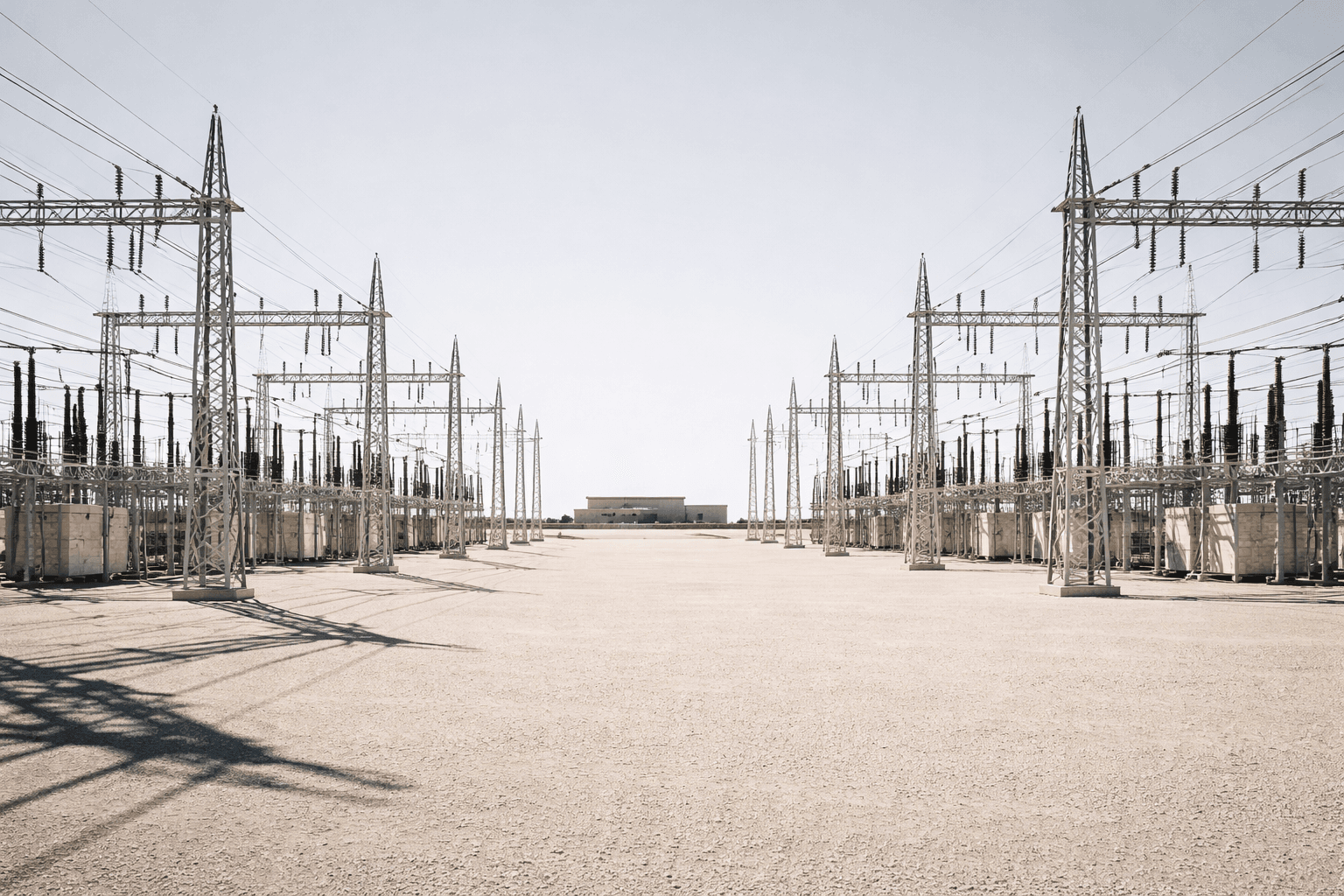
Some of the best businesses in the country are companies most people have never heard of — providing critical products or services to industries that quietly underpin the economy. Equipment rentals, specialty distribution, field services, environmental compliance, power and water infrastructure.

These businesses share a few things. They're essential. They're fragmented. They compound cash. And they've been ignored by growth capital for most of the last decade because they're not fast enough, not branded enough, not exciting enough.

That suits us. We're not looking for exciting. We're looking for durable, essential, and underappreciated — businesses where the best investors in their industry aren't trying to buy them.

What we look for

  • Essential service or product with inelastic demand
  • Regional or vertical density that's hard to replicate
  • Cash-generative with modest reinvestment needs
  • Operator-friendly regulatory environment
  • Room to consolidate or expand geographically
Industrial and infrastructure-adjacent growth